Joana Xavier holds a degree in Marine Biology (2003) University of the Azores (Portugal) and a PhD in Biology (2009) University of Amsterdam (Netherlands). She is currently an Assistant Researcher and leader of the Deep-Sea Biodiversity and Conservation Research Team (DEEP) at CIIMAR – University of Porto (Portugal), and an invited Associate Professor in Deep-Sea Biology at the Department of Biological Sciences of the University of Bergen (Norway).
Her research focuses on the understanding of basin-scale diversity, biogeographic, and connectivity patterns of deep-sea vulnerable marine species and habitats (e.g. sponge grounds, cold-water coral gardens), using a combination of disciplines (taxonomy, systematics, ecology and genetics), and exploration and sampling tools (remotely operated vehicles, towed cameras). She also strives to advance the science-policy-society interface, working with local communities to integrate their knowledge and perceptions on marine biodiversity into decision-making; as well as developing tools and transferring knowledge to support the implementation of agreements and instruments for sustainable management, conservation, and restoration of deep-sea habitats.
Inês Albuquerque
Soon.
Ana Soares
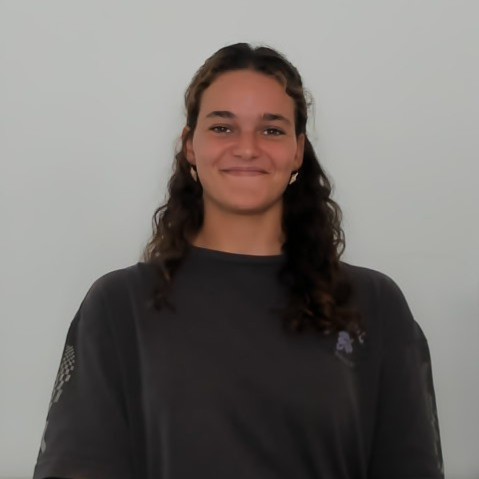
Ana Soares holds a BSc in Aquatic Sciences (2019) at the University of Porto (Portugal) and a master’s degree in Applied Marine Biology (2021) from University of Aveiro (Portugal).
Her research is focused on developing a baseline of fishers’ local ecological knowledge and scientific knowledge to support mapping and conservation of deep-sea vulnerable marine ecosystems in Portugal mainland.
Andreu Muriel
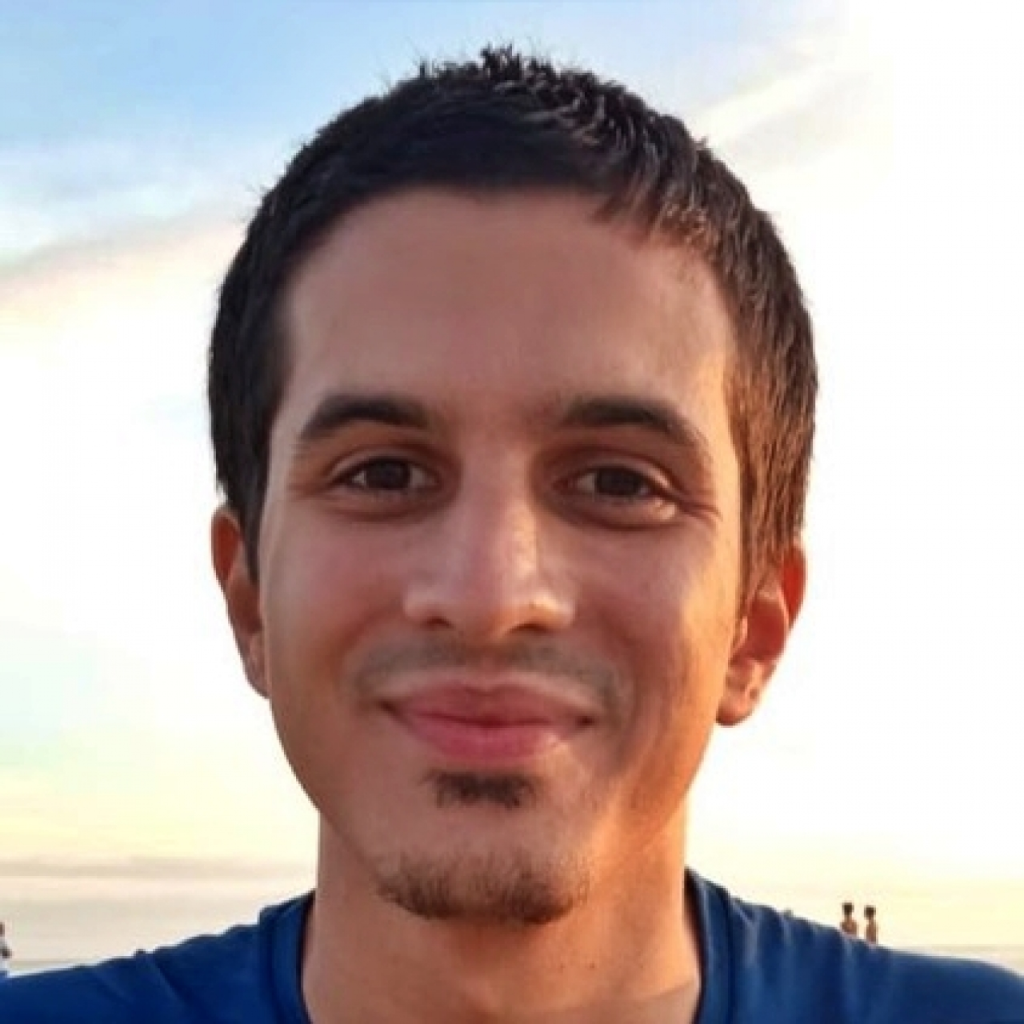
Andreu Muriel holds a degree in Environmental Biology (2014) at the Autonomous University of Barcelona (Spain) and a PhD in Marine Science (2022) at the Institute of Marine Sciences in Barcelona (Spain). He is currently a PostDoc researcher at CIIMAR.
His main line of research focuses on the ecology, conservation, and restoration of benthic ecosystems, particularly of sponge habitats. Specifically, his investigation focuses on the usage of ROV and other non-invasive techniques to study the diversity, structure and dynamic processes of deep-sea benthic ecosystems occurring in mesophotic and deep-sea areas and how this information can be effectively incorporated into developing and validating cost-effective active restoration and mitigation techniques for the conservation and management of the marine realm.
Celso Domingos
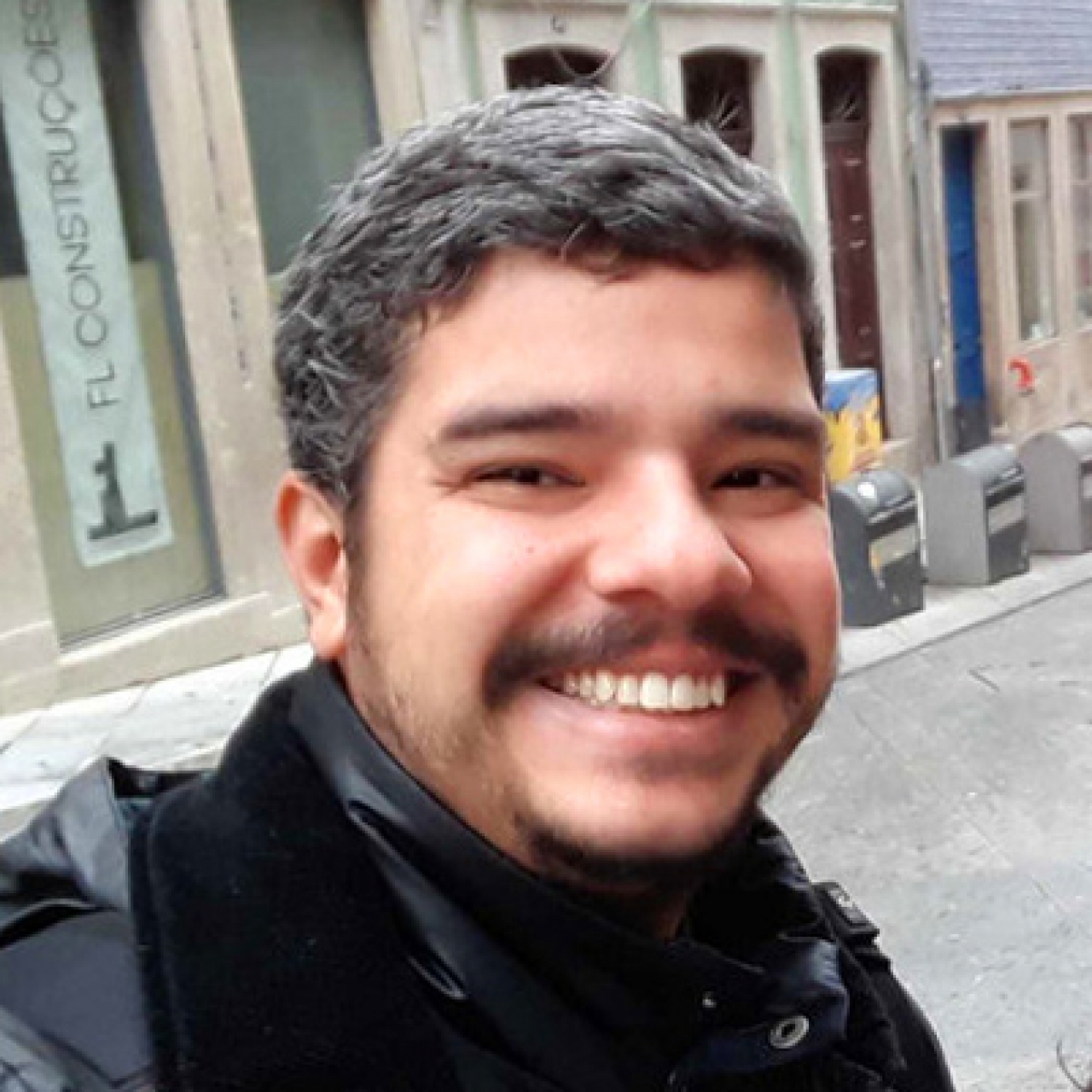
Celso Domingos holds a BSc in Biological Sciences (2014) from Estácio de Sá University (Brazil) and a MSc in Biodiversity and Evolutionary Biology (2016), at the Federal University of Rio de Janeiro (Brazil).
His main research interests are on taxonomy, systematics and biogeography of sponges, with a focus on glass sponges (class Hexactinellida). He addresses these and other questions of this group using integrative approaches that combine morphological, molecular and ecological data and in the use of this information to support conservation strategies and sustainable use of the natural resources.